In today’s hyper-competitive market, CRM product based companies are redefining how businesses connect with customers. By blending cutting-edge technology with customer-centric strategies, these firms are not just selling software—they’re transforming relationships. Let’s dive into what makes them thrive.
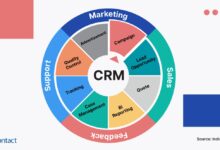
Understanding CRM Product Based Companies

CRM product based companies specialize in developing, marketing, and selling Customer Relationship Management (CRM) software as their core product. Unlike service-based CRM consultants, these organizations create scalable platforms that help businesses manage interactions with current and potential customers. Their success hinges on innovation, user experience, and deep market understanding.
What Defines a CRM Product Company?
A CRM product based company builds and maintains a software solution designed to streamline sales, marketing, and customer service operations. These platforms often include features like contact management, lead tracking, automation, analytics, and integration capabilities. The product is typically offered via subscription models (SaaS), making it accessible and scalable.
- They own the intellectual property of the CRM platform.
- Revenue is primarily generated through licensing or subscriptions.
- Focus is on continuous product development and feature enhancement.
Key Differences from Service-Based CRM Firms
While both aim to improve customer relationships, CRM product based companies differ significantly from service-oriented counterparts. Service firms may implement or customize existing CRM systems (like Salesforce or HubSpot) for clients, but they don’t develop the core software.
- Product companies innovate and release updates; service firms deploy and train.
- Revenue streams differ: recurring SaaS fees vs. project-based consulting.
- Scalability is higher in product models due to standardized offerings.
“The shift from service to product isn’t just about what you sell—it’s about how you scale impact.” — TechCrunch Analysis on SaaS Evolution
Top 7 Strategies Used by Leading CRM Product Based Companies
The most successful CRM product based companies don’t rely on luck—they follow proven strategies that drive adoption, retention, and growth. These strategies span product design, go-to-market approaches, and customer success frameworks.
1. Customer-Centric Product Development
Leading CRM product based companies prioritize user feedback in every stage of development. They use data from customer usage patterns, support tickets, and surveys to refine features. This ensures the product solves real-world problems.
- Agile development cycles allow rapid iteration based on user input.
- Product teams often shadow sales and support teams to understand pain points.
- Features like drag-and-drop workflows and AI-powered insights emerge from deep customer empathy.
2. Seamless Integration Ecosystems
No CRM operates in isolation. Top CRM product based companies invest heavily in APIs and pre-built integrations with tools like email platforms, calendars, e-commerce systems, and ERP software. This reduces friction during onboarding.
- Companies like Zoho CRM offer over 40 native integrations.
- Open APIs enable third-party developers to build add-ons, expanding functionality.
- Integration marketplaces (like Salesforce AppExchange) create ecosystems that increase stickiness.
3. Freemium and Tiered Pricing Models
To attract a broad user base, many CRM product based companies adopt freemium models. A free version offers basic features, while premium tiers unlock advanced capabilities like automation, reporting, and multi-channel support.
- HubSpot’s free CRM has been instrumental in its global adoption.
- Tiered pricing allows SMBs and enterprises to find suitable plans.
- Free users often convert to paid plans after experiencing value.
4. Data-Driven Personalization
Modern CRM platforms leverage AI and machine learning to deliver personalized experiences. From predictive lead scoring to automated follow-ups, these features help sales teams focus on high-value opportunities.
- Salesforce Einstein uses AI to recommend next-best actions.
- Pipedrive’s Activity Predictions help users prioritize tasks.
- Personalization increases user engagement and reduces churn.
5. Robust Onboarding and Customer Success Programs
Even the best CRM software fails if users don’t adopt it. Leading CRM product based companies invest in onboarding workflows, tutorials, and dedicated customer success managers.
- In-app walkthroughs guide new users through setup.
- Video libraries and knowledge bases reduce support load.
- Proactive check-ins help identify at-risk accounts early.
6. Scalable Cloud Infrastructure
As CRM product based companies grow, their platforms must handle increasing data loads and user traffic. Most rely on cloud infrastructure (AWS, Google Cloud, Azure) for reliability, security, and global reach.
- Cloud-native architecture enables automatic scaling during peak usage.
- Regular backups and encryption ensure data integrity.
- Global server distribution reduces latency for international clients.
7. Strategic Partnerships and Marketplaces
Collaborations with complementary tech providers amplify reach. CRM product based companies often join forces with marketing automation tools, telephony services, or industry-specific software vendors.
- Salesforce partners with ZoomInfo for enriched contact data.
- Microsoft Dynamics integrates deeply with Office 365.
- Partnerships create bundled solutions that increase perceived value.
How CRM Product Based Companies Drive Digital Transformation
CRM product based companies are at the forefront of digital transformation. By providing intelligent, connected platforms, they enable organizations to move from reactive to proactive customer engagement.
From Silos to Unified Systems
Traditionally, sales, marketing, and service teams operated in silos, leading to fragmented customer experiences. CRM product based companies break down these barriers by offering unified platforms where all customer data is centralized.
- A single customer view improves decision-making across departments.
- Shared dashboards enhance cross-functional collaboration.
- Real-time updates ensure everyone works with the latest information.
Enabling Remote and Hybrid Workforces
The rise of remote work has increased demand for cloud-based CRM solutions. CRM product based companies have responded by enhancing mobile access, offline capabilities, and collaboration tools.
- Mobile apps allow sales reps to update records from the field.
- Task assignments and team chats keep distributed teams aligned.
- Secure login protocols protect sensitive data across devices.
Accelerating Sales Cycles with Automation
Automation is a game-changer. CRM product based companies embed tools that automate repetitive tasks—email follow-ups, appointment scheduling, data entry—freeing up time for strategic activities.
- Automated lead assignment ensures no opportunity is missed.
- Workflow triggers can send personalized emails based on user behavior.
- AI-powered chatbots qualify leads 24/7, even outside business hours.
The Role of AI and Machine Learning in CRM Platforms
Artificial Intelligence is no longer a futuristic concept—it’s a core component of modern CRM systems developed by leading CRM product based companies.
Predictive Analytics for Smarter Decisions
AI analyzes historical data to predict future outcomes. For example, it can forecast which leads are most likely to convert, helping sales teams prioritize efforts.
- Predictive scoring models increase conversion rates by up to 30% (McKinsey).
- Forecasting tools improve revenue planning accuracy.
- AI identifies patterns humans might miss, such as seasonal buying trends.
Natural Language Processing (NLP) in Customer Interactions
NLP enables CRM systems to understand and respond to human language. This powers features like sentiment analysis, voice-to-text notes, and intelligent search.
- Sales reps can dictate meeting summaries; the CRM transcribes and logs them.
- Support teams receive alerts when customer emails show frustration.
- Chatbots handle common queries, reducing response times.
AI-Powered Recommendations and Insights
Modern CRM platforms act as virtual assistants. They suggest optimal times to call leads, recommend content for nurturing campaigns, and highlight at-risk customers.
- Insights are delivered via dashboards or mobile notifications.
- Recommendations improve over time as AI learns from user behavior.
- This reduces cognitive load and increases productivity.
Challenges Faced by CRM Product Based Companies
Despite their advantages, CRM product based companies face significant challenges that can impact growth and sustainability.
Market Saturation and Differentiation
The CRM market is crowded. With giants like Salesforce, Microsoft, and Oracle dominating, smaller CRM product based companies must find unique value propositions to stand out.
- Feature parity is common, making differentiation difficult.
- Marketing costs rise as competition intensifies.
- Niche targeting (e.g., real estate, healthcare) becomes a survival strategy.
Data Privacy and Security Concerns
CRM systems store sensitive customer data, making them prime targets for cyberattacks. Compliance with regulations like GDPR and CCPA is non-negotiable.
- Companies must implement end-to-end encryption and regular audits.
- Breaches can lead to legal penalties and reputational damage.
- Transparency in data handling builds trust with users.
User Adoption and Training Gaps
Even the most advanced CRM fails if employees resist using it. Poor training and complex interfaces lead to low adoption rates.
- Over 40% of CRM projects fail due to lack of user buy-in (Gartner).
- Companies must invest in change management and continuous education.
- Intuitive UI/UX design is critical for reducing resistance.
Future Trends Shaping CRM Product Based Companies
The future of CRM is dynamic, driven by technological advancements and evolving customer expectations. CRM product based companies must stay ahead of these trends to remain competitive.
Hyper-Personalization at Scale
Customers expect personalized experiences. Future CRM platforms will use AI to deliver individualized content, offers, and communication in real time.
- Behavioral tracking will inform dynamic pricing and product recommendations.
- CRM systems will anticipate needs before customers express them.
- Personalization will extend beyond marketing to support and sales.
Embedded Analytics and Real-Time Dashboards
Decision-makers need instant access to insights. Next-gen CRM platforms will offer deeper analytics with natural language queries and voice-activated reporting.
- Users will ask, “Show me top leads this week,” and get instant visuals.
- AI will highlight anomalies and suggest corrective actions.
- Embedded analytics reduce reliance on external BI tools.
Vertical-Specific CRM Solutions
Generic CRMs are giving way to industry-tailored platforms. CRM product based companies are developing specialized versions for sectors like healthcare, legal, and construction.
- These solutions include pre-built templates, compliance features, and domain-specific workflows.
- They reduce implementation time and increase relevance.
- Examples include Veeva for life sciences and Clio for legal firms.
Case Studies: Successful CRM Product Based Companies
Real-world examples illustrate how CRM product based companies achieve success through innovation and strategic execution.
Salesforce: The Pioneer of Cloud CRM
Salesforce revolutionized the CRM industry by offering the first cloud-based solution. Today, it remains a leader with a vast ecosystem and continuous innovation.
- Introduced the “No Software” slogan, challenging on-premise models.
- Acquired companies like Tableau and Slack to expand capabilities.
- Its AppExchange hosts over 5,000 apps, creating a powerful network effect.
HubSpot: Democratizing CRM for SMBs
HubSpot made CRM accessible to small and medium businesses by offering a free, easy-to-use platform with powerful marketing automation.
- Focus on inbound marketing aligned perfectly with modern buyer journeys.
- Free CRM lowered the barrier to entry, driving massive user acquisition.
- Educational content (blogs, certifications) built a loyal community.
Zoho CRM: Global Reach with Affordable Innovation
Zoho CRM stands out for its affordability and comprehensive feature set, appealing to startups and growing businesses worldwide.
- Part of the larger Zoho suite, enabling seamless workflow across apps.
- Strong focus on AI with Zia, its virtual assistant.
- Available in multiple languages and regions, supporting global scalability.
How to Choose the Right CRM Product for Your Business
With so many options, selecting the right CRM product can be overwhelming. CRM product based companies offer diverse solutions, but not all fit every business.
Assess Your Business Needs
Start by identifying your pain points. Do you need better lead tracking? Improved customer service? Marketing automation? Define your goals before evaluating platforms.
- Involve stakeholders from sales, marketing, and support.
- Prioritize must-have vs. nice-to-have features.
- Consider future growth—will the CRM scale with you?
Evaluate Ease of Use and Adoption
A powerful CRM is useless if your team won’t use it. Test the interface, navigation, and onboarding process.
- Look for intuitive design and mobile compatibility.
- Check if training resources are available.
- Request a free trial to assess user experience firsthand.
Review Integration and Support Capabilities
Your CRM should work seamlessly with existing tools. Also, evaluate the vendor’s support quality and response times.
- Verify compatibility with email, calendar, and e-commerce platforms.
- Check if APIs are well-documented for custom integrations.
- Read reviews about customer service responsiveness.
What are CRM product based companies?
CRM product based companies are organizations that develop and sell Customer Relationship Management software as their primary product. Unlike service providers, they focus on building scalable, feature-rich platforms that help businesses manage customer interactions across sales, marketing, and support.
What are the benefits of using CRM software from product-based firms?
These companies offer standardized, continuously updated platforms with robust support, integrations, and security. Their solutions are often more scalable and cost-effective than custom-built systems, especially for growing businesses.
How do CRM product based companies use AI?
They integrate AI for predictive analytics, lead scoring, automated workflows, sentiment analysis, and personalized recommendations. This enhances decision-making and efficiency for end-users.
Are CRM platforms secure?
Reputable CRM product based companies implement advanced security measures like encryption, multi-factor authentication, and compliance with data protection laws (GDPR, CCPA) to safeguard customer information.
Can small businesses benefit from CRM product based companies?
Absolutely. Many CRM product based companies, like HubSpot and Zoho, offer affordable or free tiers tailored to small businesses, enabling them to compete with larger enterprises.
CRM product based companies are reshaping how businesses manage customer relationships. From AI-driven insights to seamless integrations and scalable cloud architectures, these firms provide the tools organizations need to thrive in a digital-first world. By understanding their strategies, challenges, and innovations, businesses can make smarter choices and unlock greater value from their CRM investments. The future belongs to those who leverage technology not just to manage data—but to build lasting relationships.
Further Reading:
